
lessons from twenty-two.
a reflection on being.

when i turned twenty-two, i felt solid, hopeful, steady. my mild obsession with numerology filled me with that hope until i was bursting. twenty-two is the “master builder”—the number of manifestation, ambition, and dreams made real. you must still offer your effort to the universe, but luck lowers its branches just enough for you to pluck from them. hypothetically. if you believe in that sort of thing.
twenty-two left me like a starving cat at the bottom of a dumpster—climbing in out of hunger, trapped by the trash on top.
(i wouldn’t recommend taking advice from a twenty-three-year-old on the internet, but here we both are.)
these are the lessons i learned while trapped there.
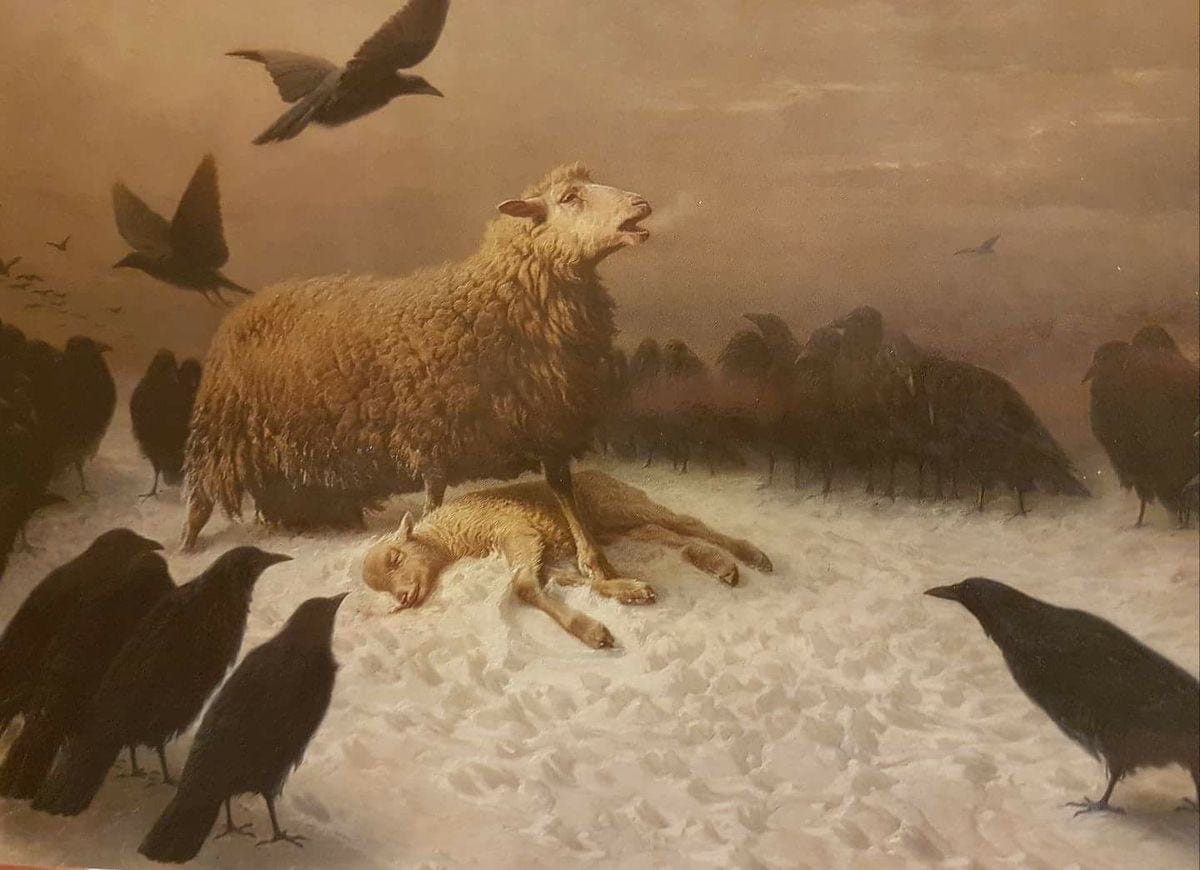
things that break (and don’t kill you)
I. you will never be fully understood, and still you endure
there is a loneliness particular to being alive, an ache that sits beneath language. there’s a point you reach—maybe in your twenties, maybe much later—when you realize no one will ever really understand you. not fully. no one will ever fully know you—your private syntax, the pulse behind your silences, the intricate logic of your pain. people can love you, they can try, they can hold the outlines of who you are, but they’ll never see the whole thing. they will only love you in fragments. there’s always something that won’t translate. i used to think that if i could explain myself clearly enough, someone would finally get it. i used to exhaust myself in translation, trying to be legible, to be seen. but there’s no language precise enough for that and there is a cruelty in constant explanation. it drains the marrow from meaning. the gap between what you feel and what others can grasp is just part of living. you can waste years trying to close it, or you can learn to live inside it. you can be misread and still real, misunderstood and still whole. and there’s peace in knowing you don’t have to be understood to exist. you can still wake up, make coffee, walk outside, and feel the light on your face. the sun still rises for you, even if no one knows your name when it does. understanding is not a prerequisite for being seen.
II. care has its breaking point
we like to think care is endless, that if we love hard enough, if we give enough, things will stay intact. i used to believe that love meant carrying everything, that exhaustion was proof of goodness. it’s not true. care can run out. it can break under its own weight. you don’t always notice when it happens—you just wake up one day and realize you’re tired in a way that sleep doesn’t fix. you’ve been holding too much for too long. there comes a day when your body refuses the weight, when the tenderness that once sustained you curdles into something sharp. this is not failure; it is physics. every vessel has a limit. the most merciful thing you can do is set the bowl down before it shatters. care, after all, is not martyrdom—it is the small, stubborn act of preservation. sometimes that means stepping away before the breaking point becomes permanent. there’s a quiet kind of grief in it, but also relief. sometimes care means walking away before resentment turns you mean. sometimes it’s knowing that tending to yourself counts too.
III. love does not mean staying
we are taught to worship permanence, to treat leaving as betrayal. but love is not a monument—it is a motion, a living thing that must breathe or die. you can love someone, but still leave. i have loved people who felt like fate, and still, i had to walk away. leaving did not unmake the tenderness; it only altered its direction. it doesn’t erase everything that came before—the tenderness, the shared mornings, the inside jokes. some people come into your life to show you what love looks like. others show you how to survive its absence. both matter. endings are their own kind of devotion, the acknowledgment that to stay would be a slow suffocation. i think now that love’s truest form is not possession, but release—the quiet courage of saying this was beautiful, and it cannot continue. love is not endurance. sometimes the kindest thing you can do is let it end.
IV. the harder road is often the right one
there’s comfort in ease, but not much growth. it is seductive, but it keeps you small. the harder road is rarely dramatic—it’s quieter, lonelier. it asks for more patience than you think you have. it means disappointing people, walking away from things that almost fit, and sitting with the ache of uncertainty. it means doing what you know is right even when no one else agrees. i have taken that road more than once, trembling, certain i was choosing wrong, and yet it was the only way to feel alive. if you can stand the discomfort long enough, something shifts. the noise fades. what’s left is cleaner, more honest. the easy road might keep you comfortable, but the hard one teaches you how to live with yourself. it forces you to become intimate with your own endurance. and that, i think, is the point—not to be unharmed, but to be remade. to choose the ache, again and again, until it becomes something like truth.

on heartbreak and other disasters
I. heartbreak will not kill you
i once believed love was terminal — that to love and be loved in return was the final act of living, the closing of all hungers. i was wrong, of course. my marriage ended the way most things do — quietly, after too many arguments that went nowhere and too many things read on a screen that couldn’t be unread. later, i loved again, fiercely, with the naïve conviction that intensity and devotion could secure permanence. when it ended, i mistook grief for death — the sleeplessness, the starvation, the collapse of appetite. i lived in a kind of suspended disbelief, as if time had somehow betrayed me. but time kept moving, indifferent, and the stubborn animal of my body persisted. i went to therapy. i saw friends. i started to recover, though “recover” is too clean a word. heartbreak doesn’t kill you. it just makes things quieter. then one day, you realize the world didn’t end — and that, somehow, is the hardest part.
II. forgiveness is not a prerequisite for release
they will tell you, with that strange authority people assume when speaking of pain, that forgiveness is the only bridge to freedom. they will insist you must absolve the wound to unshackle yourself from it. i tried. i bent my mouth around the word forgive, but it curdled in my throat. what was done to me, to us, to the small future i’d imagined is unforgivable. forgiveness, in its truest form, is a gift to the offender, not the offended. and sometimes the most honest sentence you can utter is no, i do not forgive you and no, i do not wish you well. it is not cruelty. it’s honesty and there is a certain freedom that comes with it. freedom from futile preservation. what’s left to preserve once something’s already gone? if a flood destroys a bridge, you do not forgive the water. the water was only ever itself. the storm does not need your understanding to continue its course.
III. you should not be collateral to an apology
just as forgiveness, apologies are not required. i grew up fluent in apology, as though each sorry might cleanse the fact of my existence. i said sorry before my own name, before my own thoughts. sorry my hair is a mess. sorry i talk too much. and there is a reserved danger in it. soon, it turns into apologizing for your music taste, your unshaven legs, your disdain for raw sushi, or weakness for odd things at antique stores. soon, you are laying naked in someone’s bed, hiding your stomach, because you are bloated, even though they were an extension of your body five minutes ago. soon, you are silent at dinner because you don’t know much about the topic of the conversation. soon, you are not publishing what you want to say because you are worried they will read it. soon, you are apologizing for your existence. but, with time, i’ve learned you cannot build a life out of apologies and you are not collateral for someone else’s comfort.
IV. you owe no one your reasons
there comes a point when you stop explaining yourself. or at least, there should. i spent most of being twenty-two justifying every life decision made until the point of breathlessness. it felt as though i was on trial, cross-examining each choice i made as though joy were a punishable offense. each time, i argued my innocence as if it were the 1600s and i was fighting for my honor to avoid the stake. it’s not worth it. but i was eager—almost too eager—to clarify each action and anyone involved, as if i were doing something wrong. i never was. and there’s a strange relief in realizing you don’t owe anyone your rationale. if you want to cut your hair, move cities, get a tattoo, fall in love again, or not at all — you can. and you don’t have to narrate your choices for an audience that forfeited their seat. when someone leaves, they lose the right to your reasons. they have sacrificed the privilege of knowing you. if they come back, it’s up to you what to share. freedom, i think, begins there.
V. self-denial saves nothing
hunger does not evaporate when starved; it grows sharp, animal, and waits. for years i quieted my needs like unruly children, believing that silence made me easier to love. i have realized that to feel my best, i need occasional time to myself. i need to be able to write and paint without audience. i need a space that is purely mine, where no one else is allowed to enter without permission. when you preemptively shrink your needs, you do not protect the other person; you diminish the very thing they might have held. they are not as fragile as you imagine. they can carry the groceries; they can carry you too. the trick is believing that your needs aren’t a burden. because they never were. to deny yourself is to miscalculate their strength, and your own.

the art of being alone (without hating it)
I. solitude is not a sentence
it has taken me a long time, perhaps the culmination of all twenty-two years of life to unlearn the quiet terror of being alone. as a child, solitude was never a sanctuary—it was a punishment. i was sent to my room not to rest, but to repent. this, i think, is where it began: the small conditioning of the nervous system, the quiet rewriting of the self. in college, when i studied psychology, i learned that the child’s brain is porous, a sponge that drinks every tone, gesture, and sigh. we inherit our parents’ tempers, their griefs, their unfinished arguments. even in the womb, our mother’s pulse teaches us what fear feels like. buddhism calls this the passing of unresolved karma: your father’s abandonment becomes the cry in your throat; your mother’s indifference, the coldness in your own hands. if we do not resolve it, we pass it on again—a lineage of ghosts disguised as instincts. so for years, i mistook solitude for exile. when someone stopped answering, i felt the bear chasing me through the woods again. but loneliness is not the same as punishment. it is an opening, a widening. it is the chance to reclaim yourself from the noise. the six hours you might have spent whispering into a phone can now belong to a new book, a long drive, a quiet store you stumble upon and make holy. solitude is not a sentence—it is a return. and you are, i promise, good company.
II. your time is your own
reclamation begins in small refusals. to live without apology is to reclaim the hours you once surrendered to guilt. once you wriggle yourself out of the entrapment of apology, imagined debts, and starvation, you can truly start living for yourself. at some point you must realize that most of your exhaustion comes from saying yes when you meant no. i spent years mistaking self-abandonment for generosity—stretching myself thin, rearranging my days to accommodate the wants of others. i used to believe my time was communal property, that to be good meant to be available. i helped too much, stayed too long, and confused self-sacrifice with kindness. it isn’t. it’s a slow erasure. learning to say no is harder than it sounds. it’s awkward, sometimes impolite. people sense when you’re alone—they take it as an opening. i’ve gone to dinners i didn’t want, had conversations that made me feel hollow, just because i couldn’t say no. but there’s nothing selfish about wanting your own company. you can stay home. you can decline. your time doesn’t have to be justified. the truth is, when you stop explaining yourself, life gets quieter—and in that quiet, you start to hear what you actually want.
III. analysis is not transformation
we are creatures of reason. when faced with ruin, we reach for explanation as if meaning could stitch the world back together. this is how religion began, how science began—our collective desperation to understand. we tell ourselves stories about god, about science, about fate, because it’s easier than admitting that things just happen. the earthquake hits, the city falls, and we still have to wake up the next morning. we still have to cope with knowing that understanding does not resurrect the city. i’ve done the same thing with my own life—dissected it, explained it, tried to find patterns where there were none. it helps to know where the cracks began, but knowing is not the same as mending. analysis is the illusion of control. transformation happens only in motion, in the daily, humiliating act of trying. therapy, books, late-night revelations, the soft surrender of admitting you still don’t know how to heal—it all counts. to analyze is to dissect the corpse; to transform is to live again. and living, despite all logic, is the only proof of change.

how to be a person with other people
I. friendship is fragile, but possible
friendship feels like holding glass in your hands—transparent, trembling, always on the verge of breaking. i have watched so many fall apart without sound, only the faint echo of what once was. they dissolve quietly, the way a photograph fades if left too long in the sun. someone forgets to call, the rhythm shifts, and the absence becomes ordinary. and still, i believe in it. i believe in the thin, trembling thread that ties one life to another, however briefly. it’s an act of faith to reach across the void, to say i see you, to mean it. even the smallest kindnesses can rebuild a world. friendship survives in fragments, in shared cigarettes, in words spoken softly over the hum of a city night. it’s a kind of faith, really. not that people won’t fail you, but that you can forgive them when they do. that you can begin again.
II. boundaries can be soft and still unbroken
i used to think i had to harden myself to be safe. that love would devour me unless i built a fortress around my ribs. but the hardest boundaries are the ones that move, that shift to accommodate growth. you can remain open without being consumed. that softness does not mean surrender. i can say no with a whisper now, not a scream. there is power in the delicate gesture—the closed door that doesn’t slam, the silence that doesn’t ache. i am not stone; i am silk stretched taut, unyielding in its gentleness. boundaries, like breath, must move to keep you alive.
III. no one cares as much as you think
it sounds cruel, but it’s freeing once you understand it. there is a strange mercy in realizing that the world is not orbiting your ruin. no one is taking notes on your grief; no one is watching you unravel. the humiliation you replay in your head dies quietly in the minds of others. when i was younger, i thought this meant i didn’t matter. now i understand it means i am free. you can walk through the wreckage unobserved, reborn in anonymity. there’s relief in that solitude—the knowledge that you can exist without spectacle, without performance. you are both invisible and infinite. you can start again without asking permission. you can exist without apology.
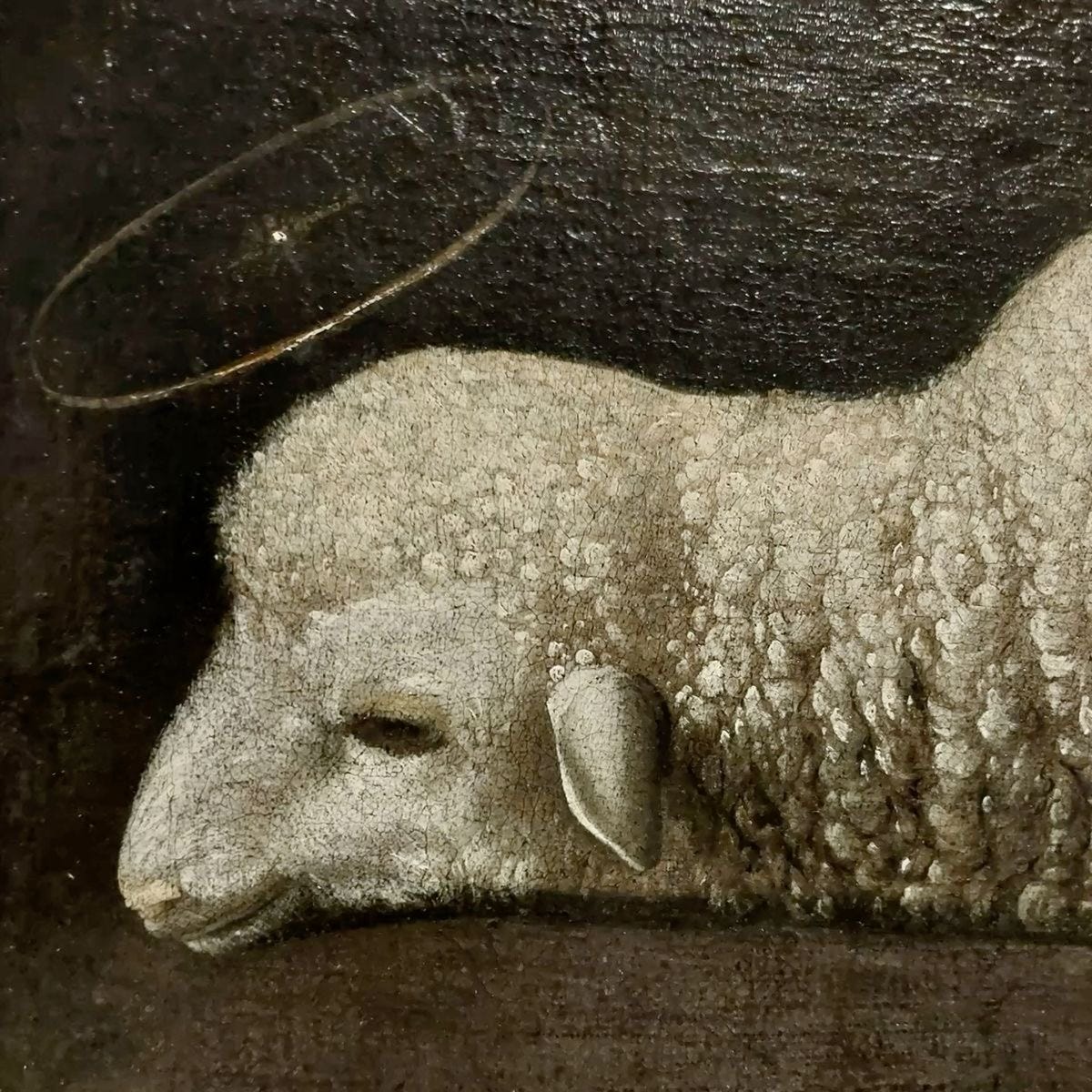
becoming (or at least trying to)
I. there is no single map for healing
healing resists sequence. people like to think there’s an order to things—first the pain, then the lesson, then the release—but there never is. it happens in circles, sometimes in reverse. you think you’ve arrived somewhere only to find you’re back at the beginning, rearranging the same furniture in a different light. i once believed healing was a horizon—something to reach—but it is more like tide-work: advancing, retreating, shaping the shore of you in quiet, unseen ways. no one tells you that healing can look like apathy, or laughter, or the simple act of waking up without a script. there is no map because there is no destination. progress does not mean distance. retreat does not lead to freedom. healing isn’t escape—it’s endurance. it’s the simple act of waking up and still choosing to participate in your own life, even when it feels unrecognizable.
II. longing and healing can live in the same skin
there is a superstition that to heal, one must stop wanting. i have found the opposite to be true. it’s possible to miss what nearly destroyed you. longing is proof that the heart still functions, that it still flings itself toward beauty despite knowing the risk. i used to think desire was disloyalty to recovery—that to miss what hurt me meant i hadn’t learned enough. but healing is not a clean severance and the longing lingers. recovery is the ability to hold both—the ache and the easing, the memory and the movement forward. sometimes, in the quiet hours when the world is still, i feel the pulse of old love beneath the scar and do not flinch. i think of what could have been if the damage hadn’t been so complete. it is not evidence of love lost, but the love that remains. you can heal and still remember. you can move on and still ache. there’s no betrayal in that. there’s only the truth that you loved something deeply enough to be changed by it.
III. you are not impossible
it is easy to accept the branding of impossible. impossible to love, impossible to care for, impossible to understand, impossible to accept. i have spend my life thus far shrinking myself to fit into the palms of those who could otherwise not carry the weight of me. i adopted new shapes and pieces that did not fit just to be held. just to rest my head in someone else’s lap. to fit into the hollow part of their chest. to feel warm. to feel whole. but you cannot complete yourself with broken pieces. you are already complete and, in the same sentiment, your completeness is not for everyone and not everyone deserves you. impossibility is a story told by those who are scared of depth. those who prefer shallow waters. those who cannot wade waist deep into you and come back to themselves. this is not a reflection of your worth. it is a reflection of their own incapabilities. you deserve to occupy space. you deserve love. you deserve understanding. you are whole. you are enough. and you have never been impossible.

All of my content is free, but if you would like to further support my work, please consider subscribing or buying me a coffee.
As always, stay safe, stay warm, and stay kind.
Best regards,
Zoe.
Learning these things is so hard, and I'm glad that you're learning them and acknowledging them. God I'm still learning these things at 25 😂 Here's to a good 23, and may you learn many other wise and wonderful things!
f****ck. there are so many important points, sentences that stopped me mid-read & think “yes”. the only thing i disagreed with was the preface. maybe we all need to take advice from a 23 yr old.